

Making and Drying Herb Bundles
16. September 2026Guest Blog Post. Amy is the Director of Marketing and Communications for Joe Lamp’l (AKA joegardener®). In her spare time she gardens and practices her nature photography in a small suburban backyard in Northeastern Oklahoma with her dog Scarecrow. Amy’s new website and blog Toad and Sage Garden is where she features her garden photography and writes about ecological gardening and growing herbs, vegetables, flowers, and native plants in a suburban backyard.
As the gardening year progresses and the seasonal wheel turns from summer to fall, I don’t know about you, but in my garden, herbs tend to be some of the last plants standing. While other crops begin to fade, the herbs are still going strong well into late summer and often deep into fall, depending on what you grow and where you garden.

Gathering them up, bundling them, and setting them aside to dry has become an annual herbal ritual for me and one I genuinely look forward to every year. I love making simple herb bundles and small herbal bouquets for my own kitchen and for the holiday season ahead.
These herb bundles are practical, but they’re also whimsical and beautiful to have around the house. Some end up simmering away in soups and stews. Others get blended into tea or seasoning mixes. And a few simply hang in the kitchen under cabinets or near the pantry.
During the holiday season, those savory herbs feel especially comforting for me, because they bring familiar flavors and memories of the summer garden back into the kitchen.
This article walks through how I gather, bundle, and dry herbs throughout the gardening season, and turn late-summer harvests into something that lasts well into winter.

Choosing Herbs for Bundling
The best herbs for bundling are those with sturdy stems and leaves that dry well without losing too much aroma. Many classic culinary herbs fit the bill perfectly.
Some favorites include:
- Rosemary
- Sage
- Thyme
- Oregano
- Marjoram
- Bay leaves
-
Lavender (especially nice in tea or decorative blends)
- Harvest herbs in the morning after the dew has dried but before the heat of the day. Choose herb branches, free from damage or disease, and give them a gentle rinse. Pat dry or let them air-dry briefly before bundling.

How to Make a Basic Herb Bundle
Start small. Bundles that are too thick don’t dry evenly and can trap moisture.
- Gather 6–12 stems of a single herb or a combination.
- Align stems so the cut ends are even.
- Tie securely near the base using cotton string, twine, or kitchen-safe thread.
-
Hang upside down in a dry space with good air circulation, away from direct sunlight.
Drying usually takes one to three weeks, depending on humidity and herb type. Once fully dry, you can leave bundles intact and hanging or strip the leaves to store in jars, whichever suits your style.

Culinary Herb Bundle Ideas
Single-Herb Bundles
Single-herb bundles are incredibly versatile and easy to grab when cooking.
- Rosemary bundles for soups, stews, roasted vegetables, and bone broth
- Sage bundles for stock, fall dishes, stuffing, and rich sauces
-
Thyme bundles for slow cooking and everyday savory meals
One small rosemary bundle tossed directly into a stockpot adds deep flavor and is easy to remove once simmering is done.

Italian Seasoning Bundles
These are practical and satisfying to make, especially if you grow multiple Mediterranean herbs.
Try bundling:
- Oregano
- Basil
- Thyme
-
Marjoram
Once dry, strip the leaves and crumble them together for a homemade Italian seasoning blend that tastes like summer all winter long.
Read our blog post on how to Grow and Create Your Own Italian Seasoning Blend

Soup & Stock Bundles
A simple combination:
- Rosemary
- Thyme
-
Bay leaf
Keep bundles small so they can be dropped straight into soups, stews, or broths and removed easily before straining or serving.

Holiday Stuffing Herb Bundles
Fall is the perfect time to make bundles specifically for holiday cooking.
A classic trio:
- Sage
- Thyme
-
Rosemary
These bundles feel especially fitting hanging in the kitchen as Thanksgiving and winter holidays approach.

Tea Herb Bundles
Herb bundles aren’t just savory. Some herbs are ideal for drying whole and later blending into teas.
Good options include:
- Lavender
- Lemon balm
- Mint
- Chamomile
-
Tulsi Basil
Once dry, store them as small bundles or strip the leaves to mix and match into seasonal tea blends.
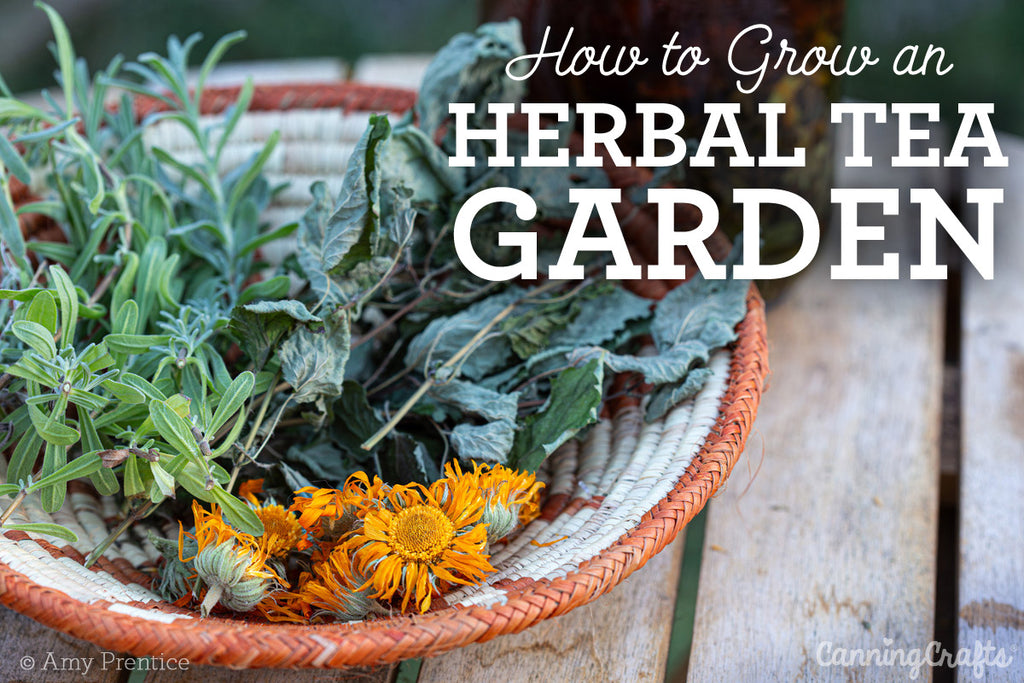
Read our blog post on How to Grow an Herbal Tea Garden

Making Decorative Herb Brooms
Feeling crafty? Herbs aren’t just for culinary use. I love to make herb brooms which are essentially larger, more structured herb bundles fashioned into a small broom. And they are just plain charming! While they’re decorative, they can still be made with culinary herbs if you plan to use them over time.
To make a small herb broom:
- Choose long-stemmed herbs like rosemary, sage, oregano, or lavender
- Find a long stick or small branch that will serve as the broom handle
- Arrange stems fan-style along the middle of the handle
- Secure the herb tightly around the handle by wrapping with twine, jute, or thin cotton cord.
Herb brooms can be used as seasonal decor, especially leading into fall and spooky season. Hung in kitchens, pantries, or near doorways, they give an old-world kitchen vibe.
If you plan to cook with them, keep them in a clean, dry location and use them within a few months.
To get even more creative, add in a few blooms or sprigs of flowers - whatever is in bloom in your garden at that time - for a pop of color. The great thing about decorative herbal brooms is that no two are ever the same. You make them from whatever you have on hand and every one is unique.

Storing and Using Dried Herb Bundles
Once fully dry, bundles can be:
- Hung near the pantry or stove (away from steam or open flames of course)
- Stored in small paper bags
-
Stripped and transferred to labeled jars
Here’s a best practice tip I learned a long time ago: leaving herbs as whole leaves until use helps preserve their flavor longer. When you’re ready to cook, simply crush or crumble as needed.
Herb bundles and herb brooms are a simple, practical way to make the most of your herb harvest and extend the gardening season. By gathering, bundling, and drying herbs, you can carry those fresh flavors into winter cooking, holiday meals, homemade teas, and everyday soups and stews.
Making these little herbal bundles turns a late-season harvest into something useful long after the garden has finished for the year.


Read our blog post on How to Grow an Herbal Tea Garden
Read our post on how to Grow and Create Your Own Italian Seasoning Blend.

Read our post on how to make Flavor Infused Vinegar and get our FREE Printable Hang Tags.

Shop for herb & spice jar labels in our shop.

Looking for more info on growing, drying, & cooking with herbs? Follow our NEW Herb Gardening Tips & Recipes Pinterest Board.


Sign up for our newsletter to get free printables, gardening tips, herb gardening tips, recipes, product updates, & a 10% off coupon on your first order of canning labels in our shop.
Do you have an herb garden? What are your favorite herbs to grow and use? Do you make your own herb bundles?


